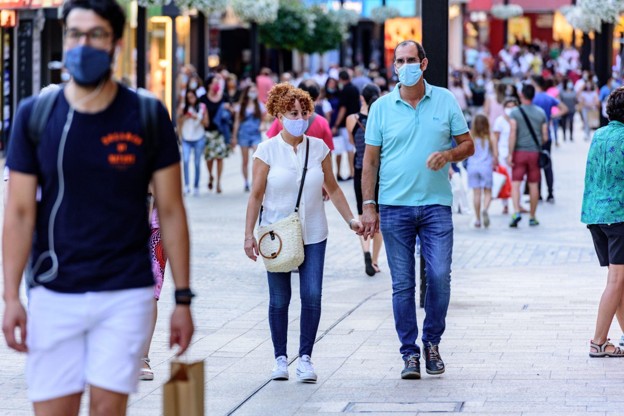
Modern shopping centers offer convenience, but Tim Kealy of NJ believes there is something uniquely rewarding about spending time on a local Main Street. From independently owned businesses to historic architecture and neighborhood cafés, these downtown districts provide experiences that extend far beyond making purchases. They reflect the character of a community, encourage personal connections, and remind visitors that shopping can be as much about discovery as it is about checking items off a list.
While malls continue to serve an important purpose, many people are rediscovering the slower pace and distinctive charm found in traditional downtown areas.
Every Main Street Has Its Own Personality
Unlike large retail centers that often feature similar stores regardless of location, local downtown districts tend to develop identities shaped by the people who live and work there.
A walk along Main Street might include:
- Independent bookstores
- Family-owned restaurants
- Artisan bakeries
- Boutique clothing shops
- Local galleries
- Specialty gift stores
These businesses frequently reflect the history and culture of the surrounding community.
Shopping Becomes More Personal
One of the biggest differences between local shopping districts and larger retail centers is the opportunity for personal interaction.
Visitors often have the chance to:
- Meet business owners
- Receive personalized recommendations
- Learn the stories behind local products
- Build lasting customer relationships
These conversations help create experiences that are difficult to replicate in larger commercial environments.
Supporting Local Businesses Strengthens Communities
Every purchase made at an independently owned business contributes to the local economy.
Strong main streets often help support the following:
- Local employment
- Community events
- Historic preservation
- Entrepreneurial opportunities
- Neighborhood revitalization
Thriving downtown districts frequently become gathering places that benefit residents long after individual purchases have been made.
Slower Shopping Encourages Discovery
Shopping malls are typically designed for efficiency.
Main Streets often encourage exploration.
Instead of moving directly from one national retailer to another, visitors may find themselves stopping to admire the following:
- Historic storefronts
- Seasonal decorations
- Public art
- Outdoor seating
- Community gardens
These details transform an ordinary shopping trip into a more enjoyable outing.
Restaurants Become Part of the Experience
Local dining often plays an important role in downtown communities.
Rather than choosing from familiar national chains, visitors can discover restaurants that reflect regional flavors and family traditions.
Many downtown districts offer opportunities to enjoy the following:
- Independent coffee shops
- Casual cafés
- Family-owned bakeries
- Neighborhood restaurants
- Specialty dessert shops
Dining becomes another way to experience the personality of a community.
History Lives Along Main Street
Many traditional downtown areas have evolved over decades or even centuries.
Historic buildings often remain active parts of the community while preserving local architectural character.
Walking through these neighborhoods provides opportunities to appreciate the following:
- Historic landmarks
- Classic storefronts
- Community heritage
- Public squares
- Restored buildings
These spaces connect visitors with the area’s past while continuing to serve today’s residents.
Every visit feels different.
Unlike highly standardized retail environments, local business districts continually change.
Seasonal events, new storefronts, community celebrations, and rotating displays create reasons to return throughout the year.
Visitors may encounter:
- Farmers markets
- Holiday festivals
- Outdoor concerts
- Art walks
- Community celebrations
These events help make every visit unique.
Walking Encourages a Different Pace
Exploring a downtown district naturally encourages people to slow down.
Instead of rushing from one destination to another, visitors often spend time:
- Browsing storefronts
- Reading historical markers
- Enjoying outdoor seating
- Speaking with shop owners
- Watching everyday community life
This relaxed pace often makes the experience more enjoyable than simply completing a shopping list.
Discovering Hidden Favorites
Many people’s favorite businesses begin as unexpected discoveries.
A bookstore tucked between historic buildings or a café found during an afternoon stroll may become a place they return to for years.
These discoveries add an element of surprise that keeps local exploration interesting.
Main Streets Build Community Connections
Traditional downtown districts bring together residents, visitors, and business owners in ways that encourage conversation and interaction.
People naturally gather for:
- Community events
- Local dining
- Seasonal celebrations
- Weekend shopping
- Outdoor activities
These shared experiences strengthen community identity while creating opportunities to meet neighbors and support local businesses.
More Than a Place to Shop
Main streets offer experiences that extend beyond retail.
They provide places where people can spend time together, enjoy local culture, and appreciate the unique qualities that distinguish one community from another.
Whether stopping for coffee, attending a festival, or simply taking an afternoon walk, these districts often become memorable destinations in their own right.
Final Thoughts
Exploring local Main Streets offers something increasingly valuable in today’s fast-paced world: the opportunity to slow down, discover something unexpected, and connect with the unique character of a community. While shopping malls provide convenience and variety, traditional downtown districts create experiences that combine history, local entrepreneurship, dining, and personal interaction.
Choosing to spend time on Main Street is about more than where we shop. It is about supporting local businesses, appreciating community heritage, and enjoying the simple pleasure of exploring places where every storefront, conversation, and visit has its own story to tell.